

Kyoto hidden gems offer a different way to experience Japan’s ancient capital, especially during the beautiful autumn season.
Kyoto is famous around the world for places such as Kiyomizu-dera, Fushimi Inari Taisha, and Arashiyama. They deserve their reputation, but they represent only part of what Kyoto has to offer.
Beyond the most familiar sightseeing routes are mountain temples, rural communities, bamboo landscapes, historic canals, and traditional sake districts.
Kyoto City’s official tourism guide highlights six areas as the Hidden Gems of Kyoto: Ohara, Takao, Keihoku, Nishikyo, Yamashina, and Fushimi.
For travelers visiting Japan in autumn 2026, these Kyoto hidden gems offer an opportunity to slow down, explore beyond the standard itinerary, and discover very different sides of the city.
Why Explore Kyoto Hidden Gems in Autumn?
Autumn is one of the most visually striking seasons in Kyoto.
Temple gardens change color, forested mountains turn red and gold, and cooler temperatures make walking and outdoor exploration more comfortable.
It is also a season when famous sightseeing areas can attract large numbers of visitors.
Exploring Kyoto hidden gems is not simply about avoiding busy places. It is about discovering how varied Kyoto becomes once you move beyond its most recognizable attractions.
The six areas below each offer something different.
Some are ideal for autumn foliage. Others are better for rural scenery, cycling, history, sake culture, or travelers who simply want to spend more time away from the standard sightseeing circuit.
1. Ohara — Rural Kyoto, Temples and Autumn Scenery
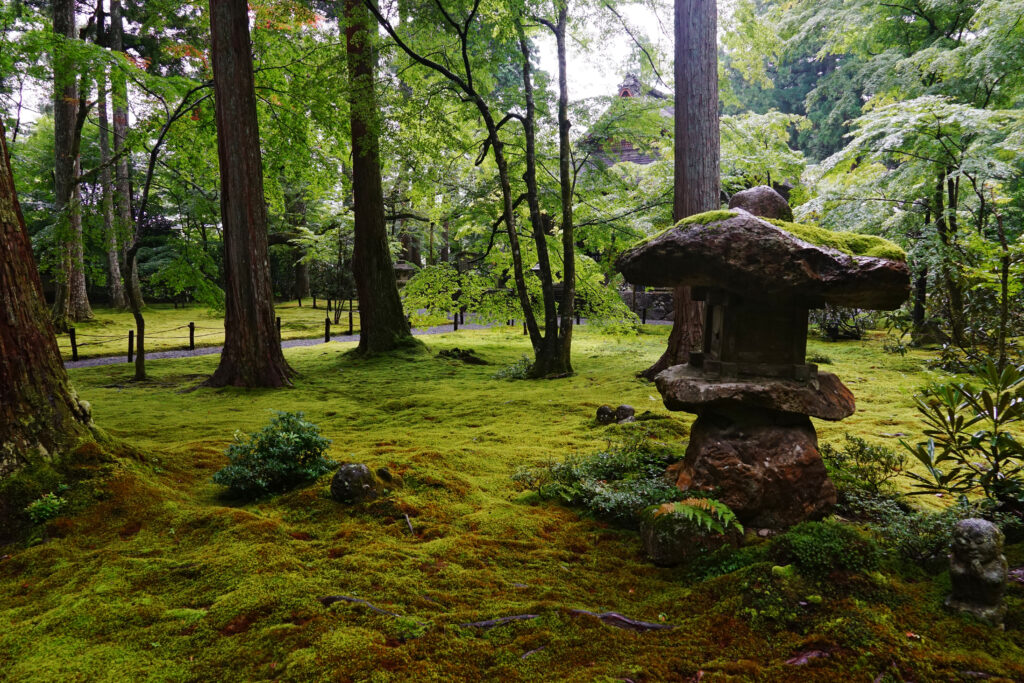
Sanzen-in Temple in Ohara, Kyoto. Photo: 663highland / Wikimedia Commons / CC BY-SA 4.0Ohara lies north of central Kyoto and offers a noticeably different atmosphere from downtown.
The area is known for historic temples, traditional gardens, mountain scenery, and a rural environment that encourages a slower style of travel.
That combination becomes especially attractive during autumn.
Instead of rushing between major attractions, travelers can spend more time enjoying temple grounds, seasonal scenery, local streets, and the surrounding countryside.
Ohara is one of the most accessible examples of how Kyoto hidden gems can reveal a side of the city that feels far removed from its busy urban center.
Why Visit Ohara?
Best for: temples, gardens, countryside, photography, couples, and slow travel.
Travelers who want to combine culture with a quieter rural atmosphere should consider giving Ohara a substantial part of the day rather than treating it as a quick stop.
NOW ZIPANG Tip: Let Ohara set the pace. Its appeal comes from slowing down rather than collecting as many attractions as possible.
2. Takao — Mountain Temples and Spectacular Fall Colors
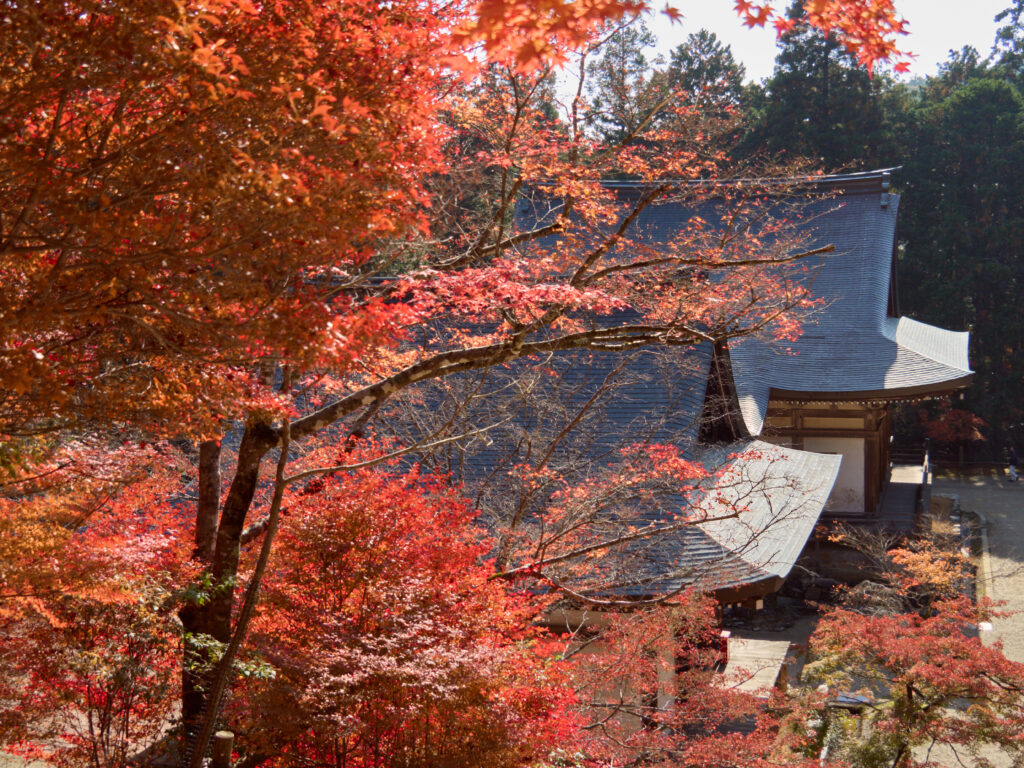
Autumn foliage in Takao, Kyoto.Travelers searching for Kyoto hidden gems in autumn should pay particular attention to Takao.
Located in the mountainous northwest of Kyoto, Takao is known for historic temples, wooded valleys, and seasonal landscapes.
Its setting creates a very different experience from central Kyoto.
During autumn, the combination of forested mountains, temple architecture, and colorful foliage makes Takao especially appealing for travelers interested in both nature and Japanese cultural heritage.
Why Visit Takao?
Best for: autumn foliage, temples, mountain scenery, walking, nature, and photography.
Takao works best when it is treated as the focus of the day rather than squeezed between several attractions elsewhere in Kyoto.
NOW ZIPANG Tip: If autumn leaves are one of the main reasons for your Kyoto trip, Takao deserves a place near the top of your list.
3. Keihoku — Discover Kyoto’s Deep Countryside
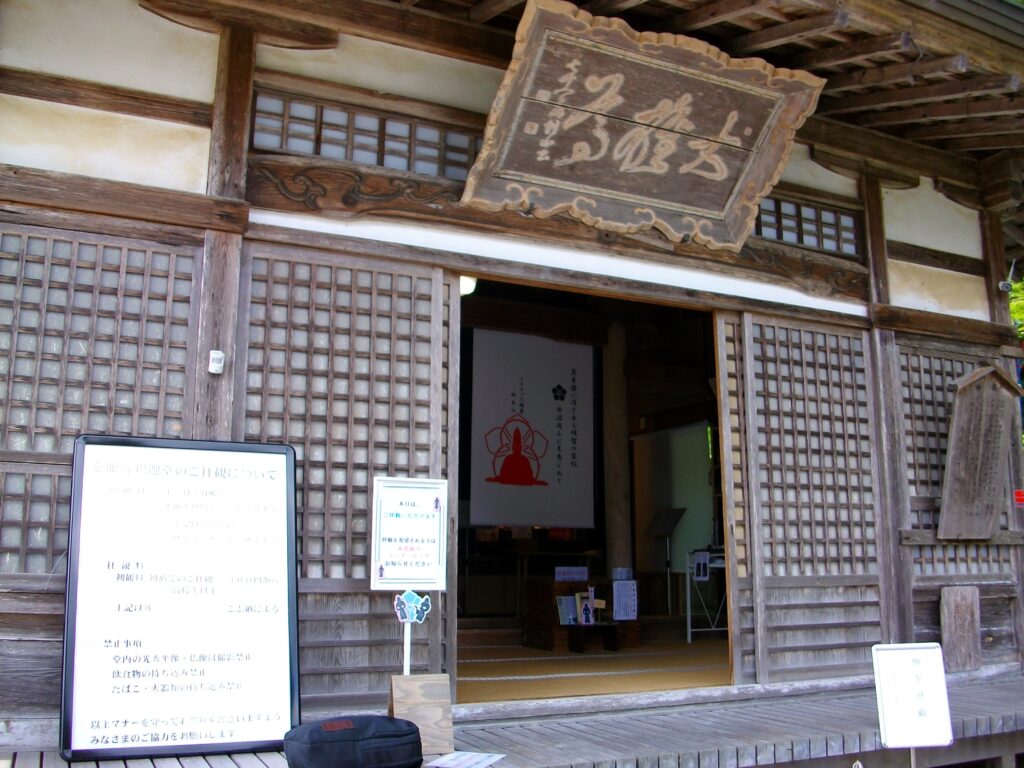
Keihoku reveals another side of Kyoto entirely.
This mountainous rural area is characterized by forests, agricultural landscapes, traditional communities, and countryside experiences.
There is no need for one blockbuster attraction to define a visit.
The landscape itself is part of the experience.
For travelers who have already completed a classic Kyoto itinerary, Keihoku can be particularly interesting because it demonstrates how dramatically Kyoto changes beyond its urban sightseeing areas.
Why Visit Keihoku?
Best for: rural Japan, nature, agriculture, repeat visitors, and travelers looking for a slower experience.
Keihoku is particularly suitable for travelers who want to understand Kyoto as a living region rather than simply a collection of famous temples.
NOW ZIPANG Tip: Choose Keihoku because you want countryside Kyoto. That is exactly what makes it different.
4. Nishikyo — Bamboo and Cycling Beyond Arashiyama
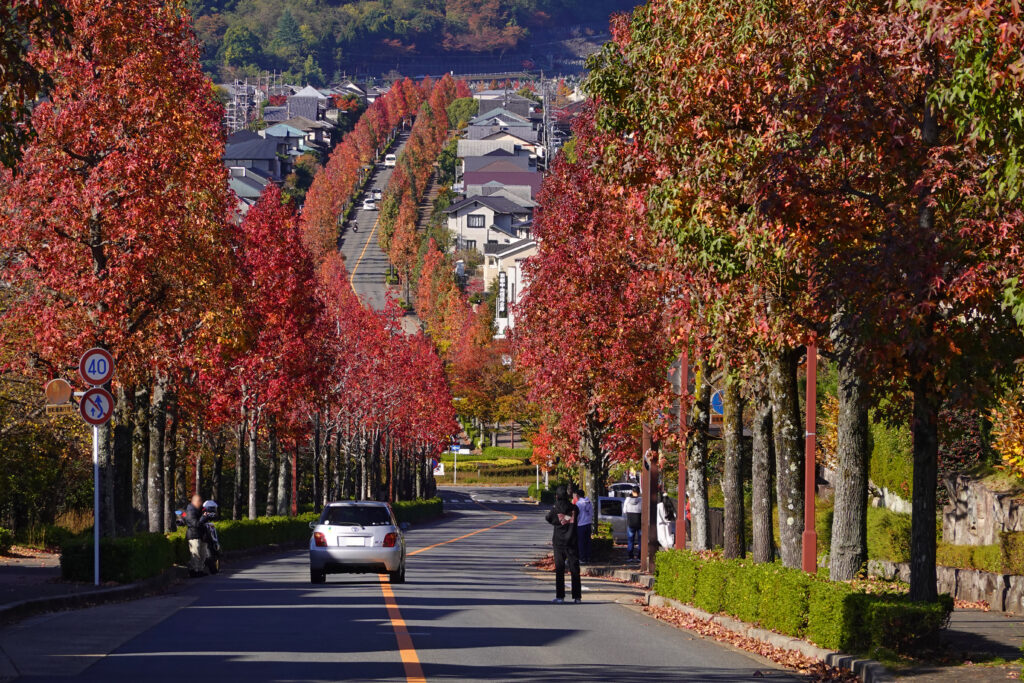
Mention bamboo in Kyoto and most international visitors immediately think of Arashiyama.
But western Kyoto offers more than one way to experience bamboo landscapes.
Nishikyo offers quieter bamboo scenery, historic sites, residential neighborhoods, and opportunities to explore the western side of Kyoto by bicycle.
For active travelers, this makes Nishikyo one of the most interesting Kyoto hidden gems.
Cycling also changes how you experience a destination.
Instead of seeing Kyoto only as famous attractions connected by trains and buses, you begin to notice neighborhoods, smaller streets, landscapes, and everyday details between destinations.
Why Visit Nishikyo?
Best for: cycling, bamboo scenery, active travelers, repeat visitors, and travelers looking beyond Arashiyama.
NOW ZIPANG Tip: Do not visit Nishikyo expecting another Arashiyama. Its appeal comes from offering a different experience of western Kyoto.
5. Yamashina — History and the Lake Biwa Canal
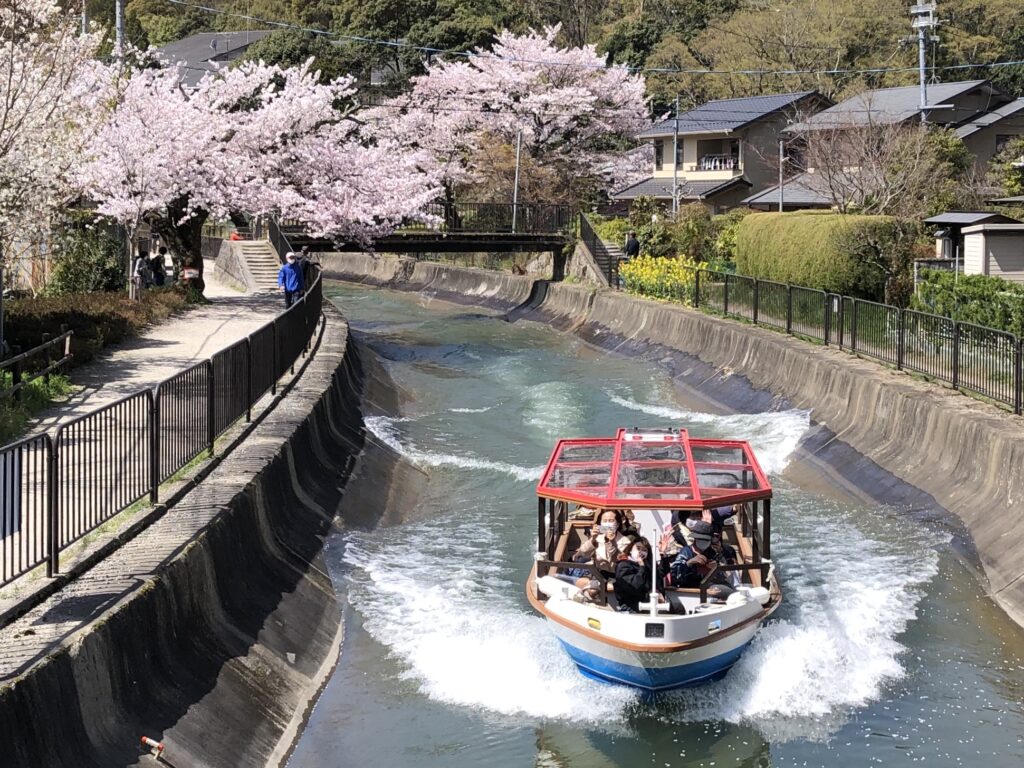
Yamashina is particularly interesting for travelers visiting Kyoto in autumn 2026.
Located east of central Kyoto, the area combines historic temples with one of the most fascinating geographical connections in the region: the route toward Lake Biwa in neighboring Shiga Prefecture.
The historic Lake Biwa Canal was developed during the Meiji era to carry water from Lake Biwa toward Kyoto.
Today, the canal remains an important reminder of the historical relationship between Kyoto and Shiga.
For autumn 2026, the Lake Biwa Canal Cruise is scheduled to operate during the autumn season from October 2 through December 6, 2026.
Because operating dates, routes, fares, and availability can vary, travelers should always confirm the latest information before making plans.
Why Visit Yamashina?
Best for: history, temples, autumn scenery, canal heritage, and travelers interested in exploring beyond central Kyoto.
Yamashina also demonstrates why Kyoto hidden gems should not always be viewed as isolated attractions.
Sometimes they work as gateways to another region.
NOW ZIPANG Tip: If you are interested in exploring Shiga after Kyoto, Yamashina provides a fascinating geographical and historical connection between the two.
6. Fushimi — Sake, Canals and a Different Side of Southern Kyoto
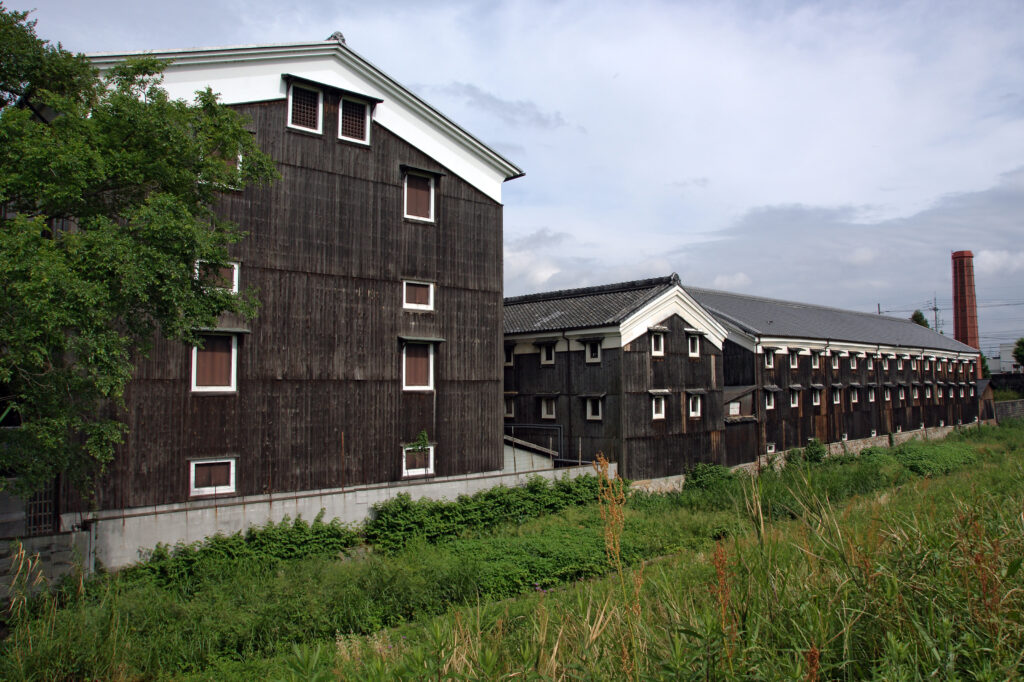
Fushimi is already famous internationally because of Fushimi Inari Taisha.
But visiting the shrine alone means seeing only one part of southern Kyoto.
The wider Fushimi district has a long relationship with waterways, transportation, and Japanese sake production.
Historic canals, sake breweries, traditional streets, and the atmosphere around the old port district reveal another identity.
This makes Fushimi unusual among Kyoto hidden gems.
The area itself is not a secret. The “hidden” experience comes from looking beyond its single world-famous attraction.
Why Visit Fushimi?
Best for: sake culture, canals, food and drink, history, traditional streets, and travelers already planning to visit Fushimi Inari.
Instead of leaving immediately after visiting the shrine, consider spending more time exploring the surrounding district.
NOW ZIPANG Tip: Fushimi is a perfect example of how a famous destination can still contain experiences many international visitors overlook.
Which Kyoto Hidden Gem Should You Visit?
You do not need to visit all six.
The best choice depends on what you want from your Kyoto trip.
| Area | Best For | Character |
|---|---|---|
| Ohara | Temples, gardens, countryside | Rural and relaxing |
| Takao | Autumn foliage, temples, nature | Mountainous |
| Keihoku | Rural Japan, nature, agriculture | Deep countryside |
| Nishikyo | Bamboo, cycling, active travel | Exploratory |
| Yamashina | History, temples, canal heritage | Historic and accessible |
| Fushimi | Sake, canals, food and culture | Historic urban district |
For autumn foliage, consider Takao.
For a quiet rural atmosphere, look at Ohara or Keihoku.
For cycling and bamboo scenery, Nishikyo offers an alternative perspective on western Kyoto.
For history and a connection with Lake Biwa, choose Yamashina.
For sake culture, canals, and traditional streets, explore Fushimi beyond the famous shrine.
How to Plan a Kyoto Hidden Gems Trip
The biggest mistake would be trying to visit all six Kyoto hidden gems in one day.
They are spread across different parts of Kyoto and should not be treated as stops on one compact sightseeing route.
Choose One Area as the Focus of Your Day
A slower itinerary gives you more time to explore temples, streets, landscapes, food, and local culture.
This is particularly important in places such as Ohara, Takao, and Keihoku, where the surrounding environment is a major part of the experience.
Check Transportation Before You Travel
Central Kyoto has extensive public transportation, but connections to mountain and rural areas may be less frequent.
Check current train and bus schedules before leaving, especially when traveling farther from central Kyoto.
Check Current Opening Hours
Temple opening hours, seasonal events, transportation schedules, admission fees, and cruise operations can change.
Always confirm current information through official sources before traveling.
Prepare for Autumn Conditions
Mountain and rural areas can feel cooler than central Kyoto, particularly later in the day.
Comfortable walking shoes and an additional layer of clothing can make exploring easier.
Most importantly, do not turn Kyoto hidden gems into another sightseeing checklist.
Their real value comes from experiencing Kyoto at a different pace.
Explore Beyond Kyoto Hidden Gems: Continue to Shiga
One of the most interesting things about exploring eastern Kyoto is realizing how close Kyoto is to Shiga Prefecture and Lake Biwa.
Lake Biwa is Japan’s largest lake, and Shiga offers historic towns, castles, traditional streets, local food, and landscapes that feel distinctly different from Kyoto.
If you want to continue exploring beyond Kyoto, NOW ZIPANG has already created a complete day-trip guide connecting Kyoto with Hikone, Omihachiman, and Lake Biwa.
Read Next: A Day Trip from Kyoto to Shiga: Hikone Castle, Omihachiman & Lake Biwa
Exploring Kyoto’s famous landmarks is an essential part of many first trips to Japan.
But Kyoto hidden gems can add something different: mountain landscapes, countryside, traditional industries, local neighborhoods, and the freedom to experience the region beyond its most familiar images.
Sometimes the most memorable part of Kyoto begins after you leave the standard route.
Travel Information Notice
Opening hours, transportation services, admission fees, seasonal events, and other travel information may change without notice. Autumn foliage conditions also vary each year depending on weather and climate conditions.
Please check official websites and local tourism information for the latest details before your visit.
Information in this article was reviewed for autumn 2026.
#KyotoHiddenGems #KyotoTravel #KyotoAutumn #AutumnInJapan #Ohara #Takao #Keihoku #Nishikyo #Yamashina #Fushimi #JapanTravel #NOWZIPANG